Rat and Mouse Control
Inspection, trapping and sealing for rats and house mice in the mid-century houses and apartments across Toledo.
Rats and mice in mid-century housing, stink bugs and lady beetles in October attics, termite inspections for older foundations, and mosquito and tick questions across the metro.
Fastest: call (855) 974-4733. Or send this and we call you back.
Local weather drives activity here: heat, humidity and rain change what shows up week to week.
Toledo Pest Control is a pest control line for Toledo, Lucas County and the towns around them. Calls about rodents, roaches, bed bugs, termites, fall invaders, mosquitoes and ticks are answered around the clock, and a visit is arranged after an inspection that explains what was found and why.
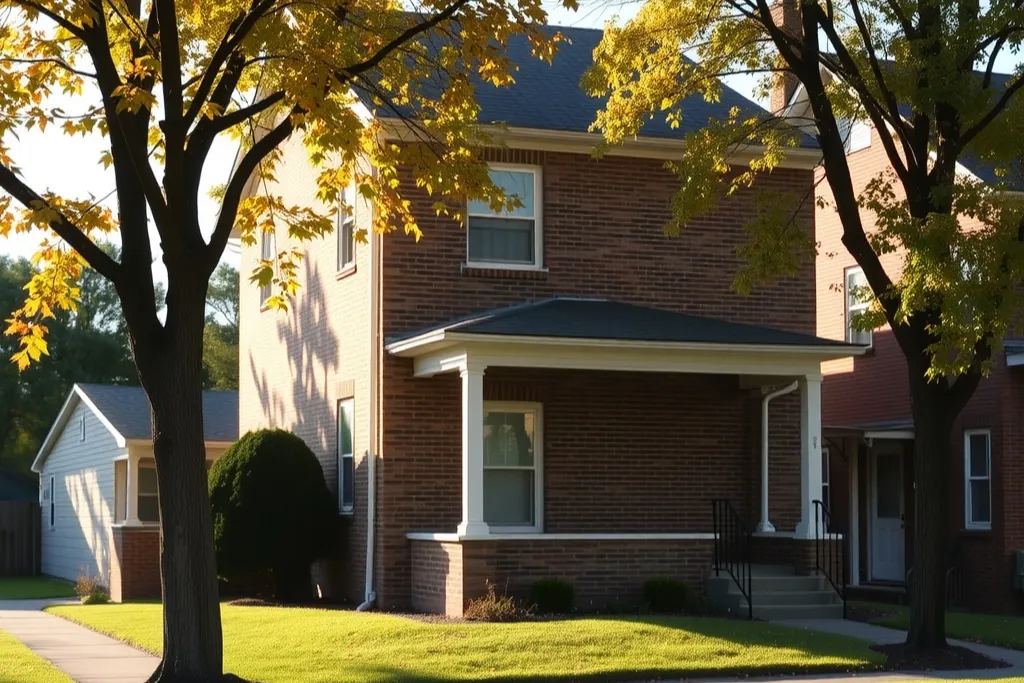
Much of Toledo's housing dates from around the mid-1950s. Basements and crawl spaces, detached sheds and foundation openings give rodents and insects a route inside, and the work here starts with finding those routes rather than with a product.
The seasons set the calls. Termite swarms appear in spring, mosquito surveillance runs through summer into early fall, and stink bugs and multicolored Asian lady beetles look for winter shelter in October. Rats move toward warmth as the weather turns cold, and a vacant property next door can become a source for a whole block.
Use the services page for the work, the guides for the local detail behind it, and the pricing page for what shapes a price in Toledo. When you call, someone picks up and takes the details, so the first conversation can focus on the building and the pest.
Pick a service for symptoms, process and typical cost, or call and describe what you hear and see.
Inspection, trapping and sealing for rats and house mice in the mid-century houses and apartments across Toledo.
Species identification, inspection of harborage and a treatment plan for cockroaches in houses, flats and older rentals.
Inspection, a room-by-room treatment plan and follow-up checks for bed bugs in apartments, rentals and houses.
Inspection for eastern subterranean termites, mud tube and swarm identification, and a written treatment plan for houses in Toledo.
Yard inspection for standing water, breeding site work and a property plan that fits the county's own spraying schedule.
Yard and habitat inspection for blacklegged ticks, with work aimed at wooded edges, tall grass and the places where people and animals pass.
Species identification, trail tracing and targeted work on the nest and entry points for ants in Toledo homes.
Identification and removal of paper wasp, yellowjacket and hornet nests under eaves, in sheds and in lawns across Toledo.
Identification, web and egg sac removal and prey control for spiders in basements, garages and crawl spaces across Toledo.
Inspection of carpet, bedding and pet resting areas, with a plan that works alongside a veterinarian's advice for the animals.
Source finding and sanitation-led control for house flies, drain flies and fruit flies in homes and multi-unit buildings.
Exclusion and inspection work for brown marmorated stink bugs and multicolored Asian lady beetles entering homes each fall.
Den identification, timed removal and closing of the exits that groundhogs and raccoons use around Toledo buildings.
Light, screen and cleanup work for non-biting midge emergences that gather on Toledo houses each spring and late summer.
Survey and closure of the gaps at sills, vents, chimneys and utility entries that let pests into Toledo homes.
Scheduled monitoring, targeted treatment and written records for food service, retail and downtown buildings across Toledo.
Building-wide inspection, complaint logging and documented treatment for landlords and property managers in Toledo.
Mapped perimeter work and yard-edge habitat changes aimed at mosquitoes, ticks, ants and spiders around Toledo homes.
The phone line is staffed at any hour, so a call about a rat in the garage at night does not wait until morning.
No product goes down until someone has looked at the building, the pest and the routes it uses to get in.
Findings, method, the number of visits and any work outside the treatment itself are set out on paper before anything starts.
The pages describe the city's housing, neighborhoods, rail corridors and seasons rather than a generic template.
Bait and product placement follow the label, and anything that could be reached by a child or pet is explained first.
Dated notes and photographs of what was found go with you, so a later problem starts from a clear record.
Tell us the pest, where it has been seen, how long it has gone on and what kind of building it is.
A technician checks the inside, the outside and the spaces between, noting each route and each place the pest could shelter.
The findings and the method are set out in writing, with the number of visits and any work outside the treatment.
Work is done as planned, and a follow-up visit confirms the activity has stopped before the file is closed.
Rodents, roaches, termites, fall invaders and mosquitoes make up most of the calls, and each has its own season and its own method.
Rats and mice lead the calls in older housing and near vacant lots, especially where a foundation has gaps or a yard holds food and cover. Roaches follow older rentals and shared walls. Termites are a concern for older foundations and crawl spaces, and their swarms are most often seen in spring.
Stink bugs and multicolored Asian lady beetles fill attics and upper floors in the autumn, and mosquitoes and ticks are a summer matter around yards that meet wooded edges. Each of these calls starts with an inspection that finds the specific route or source before a plan is written.
Through foundation cracks, utility penetrations, sheds and the gaps that open as older materials shift.
A rat needs only a small opening, and older foundations often have several. Gaps around service lines, a crumbling corner of a block wall, a loose vent cover or a gap under a door can each be enough. Once inside the wall or under a floor, the animals move along the nearest cover and food, which is often a garage, a shed or a neighbor's trash.
The inspection looks at the exterior at ground level first, then the basement or crawl space, then the spaces where the building meets the yard. Each opening is recorded, and the sealing plan says which can be closed by the technician and which need a trade.
Call when swarmers appear indoors, when mud tubes show on the foundation, or when older wood sounds hollow or sags near the ground.
Termite swarms are usually seen from about March to May, and a swarm inside or along a foundation is a reason to arrange an inspection. The eastern subterranean termite is the species that matters most for houses here, and it needs soil contact and moisture to survive, so the inspection looks at the foundation, the crawl space and the wood close to the ground.
A homeowner does not need to be certain before calling. An inspection is the way to find out, and it is the step that decides whether treatment is needed at all. Ask for the findings in writing before any treatment is applied.
Stink bugs and lady beetles are looking for winter shelter, and they enter through the same gaps that let in cold air.
Brown marmorated stink bugs and multicolored Asian lady beetles are the two invaders most often found indoors in the autumn, and they enter through windows, chimneys and air conditioning units. Once inside they gather in attics and upper floors, which is why the first sign of trouble is often a cluster near a ceiling.
The best time to act is before the peak movement in mid-to-late October. A technician can walk the outside, check each entry point and list what can be sealed on the same visit. Sealing is more reliable than spraying, because the insects keep coming through any open gap.
ZIP 43605
ZIP 43611
ZIP 43604
ZIP 43620, 43610
ZIP 43608
ZIP 43609, 43607
ZIP 43613, 43606
ZIP 43612
ZIP 43616, 43618
ZIP 43619
ZIP 43460
ZIP 43465
ZIP 43447
ZIP 43537
ZIP 43551, 43552
ZIP 43560
ZIP 43528
ZIP 43542
ZIP 43434
ZIP 43430
ZIP 43412
ZIP 43463
ZIP 43441
ZIP 48182
ZIP 48144
ZIP 48133
ZIP 48157
ZIP 49267
Toledo, OH · 25 km service radiusCall (855) 974-4733
We also cover many smaller communities across Lucas County. Check your ZIP.


If it's an emergency, call now. For non-urgent pest control, send the form and we'll call you back.
This guide prints no dollar figure, because no sourced price for pest work in Toledo or Lucas County exists to quote.
Rats in Toledo often travel from vacant houses, rail corridors and areas with open trash and standing water.
Toledo has appeared on national bed bug rankings published by a pest control company, and a headline like that invites a simple reading.
Yes. The line is staffed at any hour, including nights and weekends, and a visit is arranged as soon as a technician is available.
Calls come from across Toledo and the towns around it. The ZIP check page lists the areas where a visit can be arranged.
Not as a rule. An inspection comes first, and the plan that follows names the areas to be treated and the visits needed to finish the work.
When a technician is free, a same-day visit is possible. The team cannot promise an arrival time, but the call will say what is expected.
No figure is quoted from the phone. The price is built from the inspection and explained on site, and no work starts until it has been approved.
Call the line or use the contact page. Describe the pest, the building and where the problem has been seen, and the call will set out what happens next and when a visit can be arranged.